When it comes to home maintenance, few things are as subtly destructive as moisture. Left unchecked, dampness can turn a beautiful home into a structural and health liability. Whether you are a homeowner looking to protect your investment or a DIY enthusiast planning your next renovation, understanding the power of damp proofing paint is essential.
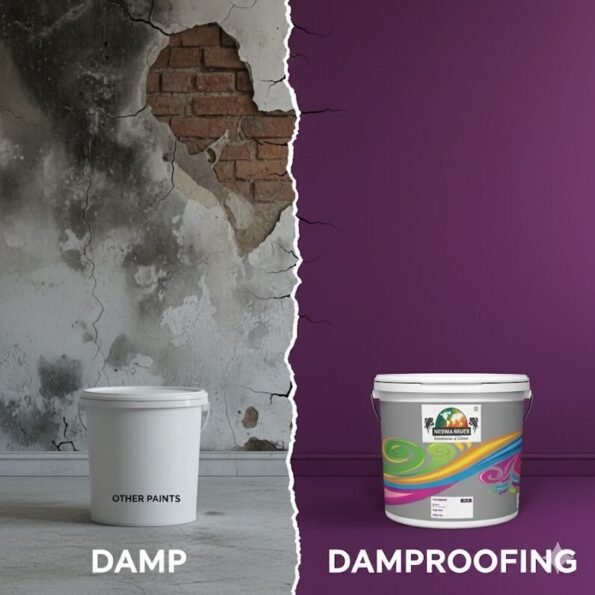
What is Damp Proofing Paint?
Before diving into the benefits, it’s important to define what we’re talking about. Damp proofing paint (often referred to as moisture-resistant or anti-damp paint) is a specialized coating formulated with waterproof resins, such as Styrene Butadiene (SBR).
Unlike standard emulsion, which is porous and allows moisture to pass through, damp proofing paint creates a non-permeable membrane. This barrier blocks the movement of liquid water and vapor through walls, ceilings, and floors.
How It Works
The science behind it involves hydrophobic ingredients. When applied, the paint forms a microscopically dense layer that prevents water molecules from infiltrating the substrate (the wall material). Most high-quality modern damp proofing paints also include fungicides, which actively prevent the growth of mold and mildew on the surface.
Top 7 Benefits of Damp Proofing Paint
1. Superior Moisture Barrier
The primary benefit is its ability to stop penetrating damp. This occurs when external water (like heavy rain) seeps through porous masonry into your interior living space. Damp proofing paint acts as a “shield,” ensuring that even if the outer brickwork becomes saturated, the moisture cannot reach your internal finishes.
2. Prevents Health-Hazardous Mold and Mildew
Damp walls are the perfect breeding ground for Aspergillus and Stachybotrys chartarum (black mold). These fungi release spores into the air that can cause:
- Respiratory issues and asthma flare-ups.
- Allergic reactions and skin irritation.
- Weakened immune systems in children and the elderly.
By keeping walls dry and incorporating anti-microbial agents, damp proofing paint ensures your indoor air quality remains safe and healthy.
3. Preserves Structural Integrity
Moisture is the enemy of building materials. Over time, consistent dampness can lead to:
- Crumbling Plaster: Water dissolves the bonds in gypsum and lime.
- Spalling Masonry: In winter, trapped water freezes and expands, causing bricks to crack.
- Rotting Timber: Dampness traveling into floor joists or door frames can lead to wet or dry rot.
Damp proof paint prevents this “slow-motion” decay, keeping the bones of your home strong for decades.
4. Enhances Energy Efficiency
Did you know that wet walls transfer heat faster than dry walls? Scientific studies show that a moisture content of just 5% in a wall can reduce its insulation effectiveness by up to 50%.
By keeping your walls dry, damp proofing paint helps maintain your home’s thermal resistance (R-value). This means your heating system doesn’t have to work as hard in the winter, leading to lower energy bills and a smaller carbon footprint.
5. Increases Property Resale Value
In the 2025 real estate market, “damp-free” is a major selling point. Prospective buyers are often deterred by the musty smell or unsightly “tide marks” associated with dampness. A property that has been professionally treated with damp-proofing solutions signals to buyers that the home has been well-maintained, reducing their fear of “hidden” repair costs.
6. Aesthetic Durability (No More Peeling!)
Standard paint on a damp wall will eventually bubble, flake, and peel off. This creates a never-ending cycle of repainting. Damp proofing paint is flexible and elastic, allowing it to withstand minor structural shifts and moisture pressure without cracking. It serves as an excellent primer, providing a stable surface for decorative topcoats.
7. Cost-Effective Long-Term Maintenance
While the initial cost of damp-resistant paint is higher than standard paint, the ROI (Return on Investment) is significant. By preventing structural damage and the need for frequent redecoration, you save thousands of dollars in the long run.
Types of Dampness (and When to Use Paint)
Not all damp is created equal. To get the most benefit, you must use the paint for the right problem:
| Type of Damp | Cause | Can Paint Help? |
| Penetrating Damp | Rain seeping through cracks or porous bricks. | Yes. Excellent for blocking ingress. |
| Condensation | Warm air hitting cold surfaces (kitchens/baths). | Yes. Especially anti-condensation variants. |
| Rising Damp | Ground water traveling up via capillary action. | Partially. It masks it, but you need a DPC (Damp Proof Course) for a permanent fix. |

How to Apply Like a Pro
To ensure your damp proofing project is successful (and your blog ranks well), follow these “Best Practice” steps:
- Identify the Source: Never paint over a leak. Fix the leaking pipe or gutter first.
- Surface Preparation: Remove all loose plaster, flaking paint, and existing mold using a specialized fungicidal wash.
- Dry the Area: Use a dehumidifier or heater to ensure the substrate is as dry as possible before application.
- Application: Apply two coats. The first coat should be worked into the pores of the wall, and the second should create the final impermeable membrane.

A Small Investment for Massive Protection
Damp proofing paint is more than just a cosmetic fix; it is a vital layer of protection for your home’s health, structure, and value. In an era where extreme weather and rising energy costs are becoming the norm, taking proactive steps to keep your home dry is one of the smartest decisions a homeowner can make.