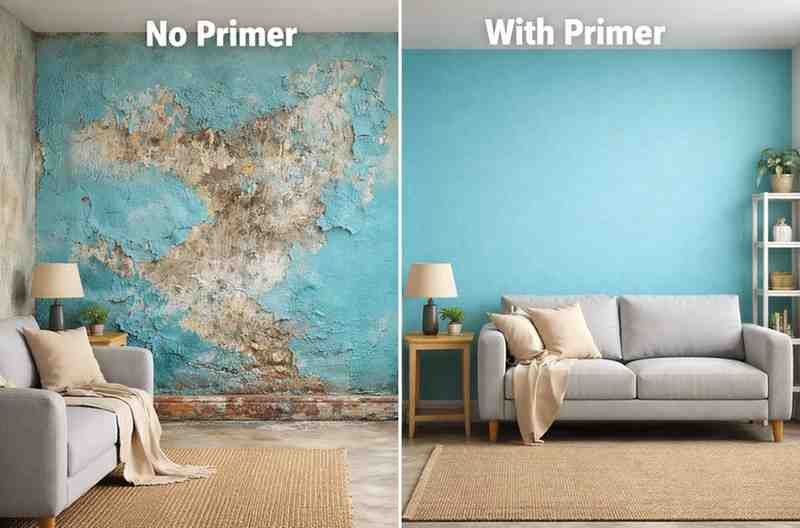
When it comes to wall painting, many people focus only on choosing the right color or paint finish. However, one of the most crucial steps in achieving a smooth, durable, and professional-looking paint job is often overlooked—primer application. Primer acts as the foundation of your paint system, ensuring better adhesion, enhanced durability, and a flawless final finish.
In this detailed guide, we will explore why primer is important before wall painting, its benefits, types of primers, application tips, and how it impacts the life of your wall paint. This blog is designed to help homeowners, painters, and contractors make informed decisions and achieve long-lasting results.
What Is a Primer?
A primer is a preparatory coating applied to walls before painting. It is specially formulated to bond strongly with the wall surface and create an ideal base for the final paint coat. Unlike regular paint, primers contain adhesive resins that penetrate porous surfaces and seal them effectively.
Primers are designed to:
- Improve paint adhesion
- Seal porous surfaces
- Enhance paint color accuracy
- Increase paint durability
Whether you are painting a new wall or repainting an old one, using a primer is a critical step in the wall painting process.
Why Primer Is Important Before Wall Painting
1. Improves Paint Adhesion
One of the main reasons primer is important before wall painting is that it improves paint adhesion. Wall surfaces such as plaster, cement, putty, or concrete are porous by nature. When paint is applied directly, it may not bond properly, leading to peeling or flaking over time.
Primer penetrates deep into the surface pores and forms a strong bond between the wall and the paint. This ensures that the topcoat sticks firmly and lasts longer.
SEO Keywords: importance of primer, primer before painting, paint adhesion
2. Ensures Uniform Paint Finish
Without primer, walls may absorb paint unevenly, resulting in patchy or blotchy finishes. This is especially common on new walls or repaired surfaces.
Primer creates a uniform base that allows the paint to spread evenly across the surface. As a result, you get:

- Smooth finish
- Consistent color tone
- Professional-looking walls
This is why professional painters never skip primer application.
3. Enhances Paint Color Accuracy
If you apply paint directly on a dark or uneven surface, the original wall color can affect the final shade. Primer neutralizes the base color and helps the topcoat display its true shade.
This is particularly important when:
- Painting light colors over dark walls
- Changing wall colors dramatically
- Using premium interior or exterior paints
Primer helps reduce the number of paint coats required, saving both time and money.
4. Increases Paint Durability & Life
Primer plays a vital role in extending the life of wall paint. It acts as a protective layer that prevents moisture, stains, and alkalinity from damaging the paint film.
Benefits include:
- Reduced chances of cracking
- Prevention of peeling and blistering
- Long-lasting wall protection
Walls painted with primer stay fresh and attractive for years compared to walls painted without it.
5. Seals Porous Surfaces
New walls, especially cement plaster and putty-finished surfaces, are highly porous. These surfaces absorb paint quickly, leading to higher paint consumption and uneven results.
Primer seals these pores and reduces excessive paint absorption. This makes the wall surface stable and ready for painting.
Result:
- Lower paint usage
- Better coverage
- Cost-effective painting
6. Prevents Stains & Dampness Issues
Certain primers are specially designed to block stains caused by:
- Water seepage
- Damp patches
- Smoke or grease marks
- Efflorescence (white salt deposits)
Using the right primer helps prevent these stains from bleeding through the paint layer, keeping your walls clean and damage-free.
Types of Primers Used Before Wall Painting
Choosing the correct primer is as important as using one. Here are the common types of wall primers:
1. Interior Wall Primer
Interior primers are used for bedrooms, living rooms, kitchens, and ceilings. They provide excellent adhesion and smoothness for interior emulsions.
Best for:
- Putty-finished walls
- Gypsum boards
- POP surfaces
2. Exterior Wall Primer
Exterior primers are designed to withstand harsh weather conditions such as rain, heat, and humidity.
Benefits:
- Weather resistance
- Protection against dampness
- Improved exterior paint life
3. Cement Primer
Cement primers are suitable for both interior and exterior cement surfaces. They are alkali-resistant and help neutralize surface alkalinity.
Used on:
- Concrete walls
- Cement plaster
- Masonry surfaces
4. Water-Based Primer
Water-based primers are eco-friendly, low-odor, and easy to apply. They dry quickly and are ideal for residential interiors.
5. Oil-Based Primer
Oil-based primers provide superior sealing and stain-blocking properties. They are commonly used on heavily stained or damaged surfaces.
Primer vs Paint: Key Differences
| Feature | Primer | Paint |
|---|---|---|
| Purpose | Surface preparation | Decoration & protection |
| Adhesion | High | Moderate |
| Coverage | Seals pores | Adds color |
| Durability | Improves lifespan | Depends on base |
Primer and paint work together to deliver the best painting results.

How to Apply Primer Before Wall Painting
Follow these steps for correct primer application:
- Clean the wall surface thoroughly
- Repair cracks and holes
- Apply wall putty if required
- Sand the surface smoothly
- Apply one uniform coat of primer
- Allow sufficient drying time
- Light sanding before paint application
Proper surface preparation enhances primer performance.
Common Mistakes to Avoid While Using Primer
- Skipping primer to save cost
- Using the wrong type of primer
- Applying paint before primer dries
- Uneven primer application
Avoiding these mistakes ensures a perfect paint finish.
Is Primer Necessary for Repainting?
Yes, primer is necessary during repainting when:
- Wall surface is damaged
- Color change is drastic
- Dampness or stains are present
- Old paint is peeling
Primer rejuvenates old walls and improves new paint bonding.
Benefits of Using Primer Before Wall Painting
- Better paint adhesion
- Smooth & uniform finish
- Enhanced color appearance
- Long-lasting paint performance
- Reduced paint consumption
- Protection from moisture & stains
Primer is not an expense—it is an investment in quality painting.
Frequently Asked Questions (FAQs)
1. Can I skip primer if the wall looks smooth?
Even if a wall appears smooth, it can still be porous or alkaline. Skipping primer may lead to uneven paint absorption and reduced paint life. Primer ensures consistent adhesion and finish, regardless of how smooth the wall looks.
2. How many coats of primer are required?
In most cases, one coat of primer is sufficient. However, for highly porous surfaces, repaired walls, or exterior walls exposed to harsh weather, two coats may be recommended.
3. How long should primer dry before painting?
Drying time depends on the type of primer used. Water-based primers usually dry within 4–6 hours, while oil-based primers may require 12–24 hours. Always follow the manufacturer’s instructions.
4. Is primer required for already painted walls?
Primer is required if the old paint is peeling, stained, or if you are changing from a dark color to a lighter shade. It helps create a fresh, uniform base for the new paint.
Primer and Indian Climate Conditions
In Indian homes, walls are often exposed to extreme heat, monsoon humidity, and dust. These conditions can weaken paint adhesion if primer is not used.
Using a high-quality primer helps:
- Control moisture penetration during monsoons
- Reduce heat-related paint cracks
- Prevent fungal growth on interior and exterior walls
This makes primer especially important for Indian residential and commercial buildings.
Primer Consumption and Cost Efficiency
Many homeowners believe skipping primer reduces cost, but in reality, it increases paint consumption. Without primer, walls absorb more paint, requiring additional coats.
With primer:
- Paint spreads easily
- Fewer paint coats are needed
- Overall painting cost is reduced
Thus, primer improves cost efficiency while enhancing quality.
Primer for New Construction vs Renovation
New Construction
New walls made of cement plaster or concrete are highly alkaline and porous. Primer neutralizes surface alkalinity and seals pores, making it mandatory before painting.
Renovation & Repainting
In renovation projects, primer restores damaged surfaces, covers stains, and improves bonding of fresh paint layers. It ensures old walls look new again.
Environmental Benefits of Using Primer
Modern water-based primers are low in VOCs (Volatile Organic Compounds), making them safer for indoor use. They improve paint performance while maintaining indoor air quality.
Choosing eco-friendly primers helps:
- Reduce harmful emissions
- Improve indoor air safety
- Support sustainable construction practices
Expert Tips for Best Primer Results
- Always choose primer compatible with your paint type
- Use exterior primer only for outdoor walls
- Stir primer thoroughly before application
- Apply primer using roller for even coverage
- Avoid painting in extremely humid conditions
These expert tips help achieve professional-grade painting results.
Role of Primer in Long-Term Wall Maintenance
Beyond the initial painting stage, primer plays a significant role in long-term wall maintenance. Walls that are primed correctly tend to require less frequent repainting because the paint film remains stable and intact for a longer period. Primer minimizes surface deterioration caused by daily wear, humidity, and environmental exposure.
In residential spaces such as living rooms and bedrooms, primed walls resist dust accumulation better, making them easier to clean. In commercial or high-traffic areas, primer-backed paint systems withstand repeated cleaning and minor abrasions without losing their appearance.
Primer Compatibility With Different Paint Types
Primer must be compatible with the type of paint being used to achieve the best results. For example:
- Water-based primers work best with acrylic and emulsion paints
- Oil-based primers are suitable for enamel paints and stain-prone surfaces
- Exterior-grade primers should always be paired with weather-resistant paints
Using a compatible system ensures proper bonding and avoids issues such as paint softening, cracking, or uneven drying. Always check manufacturer recommendations before application.
Impact of Skipping Primer on Wall Health
Skipping primer may not show immediate problems, but long-term effects can be damaging. Without primer, walls are more vulnerable to moisture penetration, alkalinity damage, and surface erosion. Over time, this can lead to paint bubbling, powdering, or discoloration.
In extreme cases, lack of primer can cause repeated paint failures, increasing maintenance costs and effort. Proper priming acts as preventive care for walls, protecting them from gradual degradation.
Primer Application Tools and Techniques
The tools used for primer application also influence the final outcome. Rollers are ideal for large wall surfaces as they provide uniform coverage. Brushes are useful for corners, edges, and detailed areas. For large commercial projects, spray application ensures speed and consistency.
Applying primer in a single, even coat is usually sufficient. Over-application should be avoided as it may lead to surface film build-up, affecting paint finish.
Choosing the Right Primer for Specific Rooms
Different rooms in a house have different environmental conditions. Selecting primer accordingly improves performance:
- Kitchens benefit from primers with moisture and grease resistance
- Bathrooms require primers that prevent dampness and fungal growth
- Bedrooms and living rooms work best with low-odor, eco-friendly primers
Tailoring primer choice to room conditions enhances paint durability and indoor comfort.
Common Myths About Wall Primer
There are several misconceptions surrounding primer usage. One common myth is that primer is only needed for new walls. In reality, repaired or repainted surfaces often benefit equally from primer.
Another misconception is that primer and paint are the same. While they may appear similar, their functions are entirely different. Primer prepares the surface, while paint provides color and finish.
Understanding these differences helps homeowners make informed painting decisions.
Long-Term Value of Proper Surface Preparation
Many painting problems that appear after a few months—such as fading, uneven texture, or early wear—are often linked to inadequate surface preparation rather than poor-quality paint. A well-prepared surface creates stability for the entire coating system and allows the final paint layer to perform as expected.
Over the years, properly prepared walls require fewer touch-ups and repainting cycles. This not only saves money but also reduces inconvenience caused by frequent maintenance. For property owners, this translates into better asset value and improved visual appeal.
In professional painting projects, surface preparation is considered as important as paint selection. Skipping this step compromises the overall quality, no matter how premium the paint product is.
Conclusion
Understanding why primer is important before wall painting is essential for anyone who wants durable, smooth, and visually appealing walls. Primer strengthens paint adhesion, ensures uniform finish, enhances color accuracy, and protects walls from moisture, stains, and long-term damage.
Skipping primer may save time initially, but it often results in poor finish, higher paint consumption, and frequent repainting. Whether it is a new construction project or a renovation job, primer plays a vital role in the success of wall painting.
By choosing the right primer and applying it correctly, you invest in the longevity and beauty of your walls. Remember, a perfect paint job always begins with a strong foundation.
Good paint starts with a good primer.