Why Wall Fungus Is a Serious Home Problem
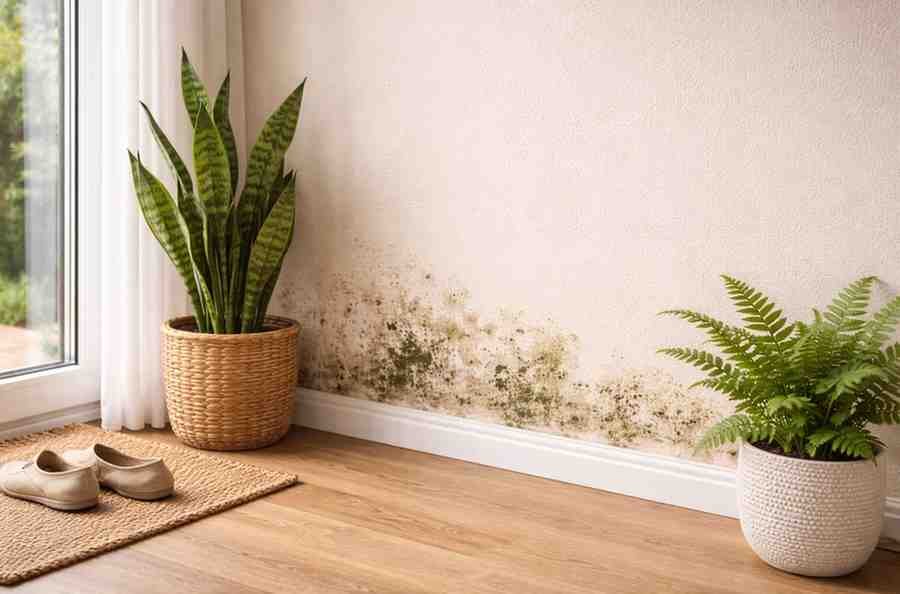
Wall fungus is more than just an ugly patch on your walls—it is a sign of hidden moisture problems that can damage your home and affect your family’s health. It usually appears as black, green, or brown spots and spreads quickly if ignored. Many Indian homes face wall fungus due to humidity, poor ventilation, and water seepage. Understanding its causes and solutions is the first step toward a healthier, longer-lasting home.
1. What Is Wall Fungus?
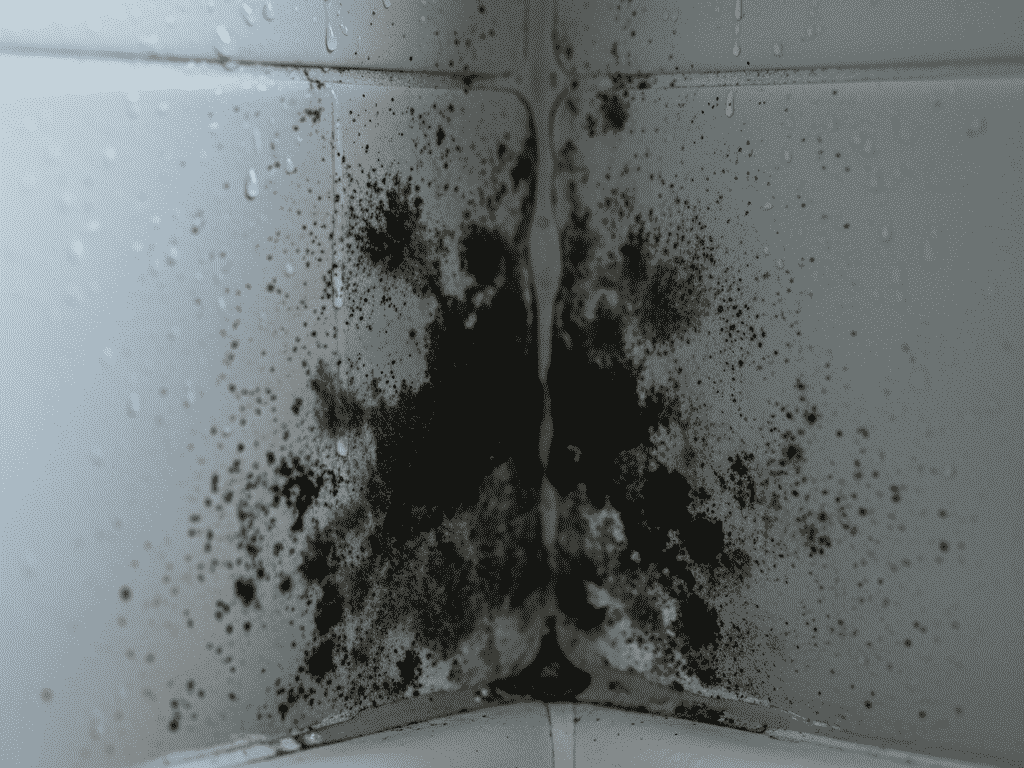
Wall fungus is a type of microbial growth that develops on damp wall surfaces. It feeds on moisture and organic matter present in paint, dust, or plaster. Once it starts growing, it spreads through spores in the air, making it difficult to control. This is why early detection and proper treatment are extremely important.
2. Common Causes of Wall Fungus

1 Excess Moisture
Moisture is the primary reason wall fungus develops. It can come from leaking pipes, roof seepage, or water penetration through external walls. Even high indoor humidity can trigger fungal growth over time. Without moisture control, fungus will keep returning.
2 Poor Ventilation
Rooms with limited airflow, such as bathrooms, kitchens, and closed bedrooms, trap humidity. When warm air cannot escape, condensation forms on walls. This damp surface becomes a perfect breeding ground for fungus. Proper ventilation helps walls stay dry and fungus-free.
3 Water Seepage and Leakage
Cracks in walls, faulty plumbing, or damaged waterproofing allow water to seep into wall structures. This hidden moisture slowly weakens plaster and paint layers. Over time, fungus appears on the surface as stains or patches. Ignoring seepage can lead to severe structural damage.
4 Poor Quality Paint or Surface Preparation
Low-quality paints often lack anti-fungal properties. When applied on damp or improperly prepared surfaces, they fail to protect walls. Fungus easily penetrates such paint films and spreads rapidly. Choosing the right paint system is crucial for long-term protection.
3. Types of Wall Fungus Found in Homes
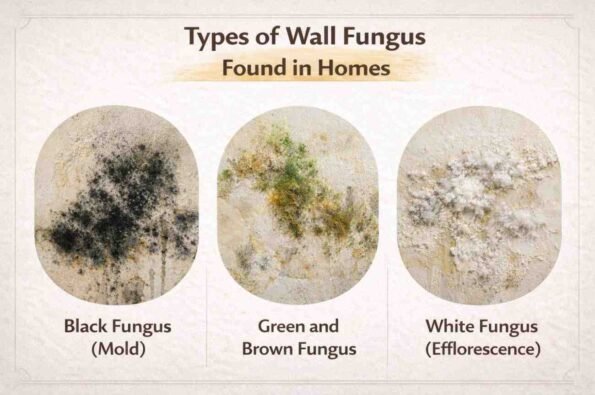
1 Black Fungus (Mold)
Black fungus is the most common and harmful type. It appears as dark spots and releases spores into the air. Prolonged exposure can cause respiratory problems and allergies. Immediate treatment is necessary to prevent health risks.
2 Green and Brown Fungus
Green or brown fungus usually develops in humid corners and shaded areas. Though less dangerous than black mold, it still damages paint and plaster. If ignored, it spreads across walls and ceilings. Early cleaning can stop its growth.
3 White Fungus (Efflorescence)
White fungus appears as powdery deposits on walls. It is caused by salt deposits reacting with moisture. While not harmful to health, it indicates severe dampness. Treating the moisture source is essential to stop recurrence.
4. Signs and Symptoms of Wall Fungus
1 Visible Spots and Discoloration
Dark patches, peeling paint, and uneven wall textures are early signs. These spots usually grow larger over time. They indicate trapped moisture behind the surface. Ignoring them worsens wall damage.
2 Musty Smell
A persistent damp or musty odor often signals fungal growth. Even if fungus is not visible, the smell suggests moisture issues. This odor can spread throughout the house. Proper inspection is required to locate the source.
3 Peeling Paint and Crumbling Plaster
Fungus weakens the bond between paint and wall surfaces. As a result, paint starts peeling and plaster becomes powdery. This reduces wall strength and aesthetics. Repairing damage early saves renovation costs.
5. Health Risks Associated with Wall Fungus

1 Respiratory Problems
Fungal spores can trigger asthma, coughing, and breathing difficulties. Children and elderly people are especially vulnerable. Continuous exposure worsens respiratory conditions. Keeping walls fungus-free protects indoor air quality.
2 Skin and Eye Irritation
Contact with fungus-affected surfaces may cause skin rashes and eye irritation. Sensitive individuals may experience itching or redness. These symptoms often disappear after fungus removal. Prevention helps maintain a healthier living environment.
3 Allergies and Headaches
Mold spores can cause frequent sneezing, headaches, and fatigue. Long-term exposure affects overall well-being. Many people mistake these symptoms for seasonal allergies. Removing wall fungus improves daily comfort.
6. How to Prevent Wall Fungus Effectively
1 Control Moisture Levels
Fix leaking pipes, roofs, and cracks immediately. Use exhaust fans and dehumidifiers in moisture-prone areas. Keeping walls dry is the most effective prevention method. Moisture control stops fungus at its root.
2 Improve Ventilation
Ensure proper airflow in kitchens, bathrooms, and bedrooms. Open windows regularly to allow fresh air circulation. Good ventilation reduces condensation on walls. This makes it difficult for fungus to grow.
3 Use Waterproofing Solutions
Apply waterproof coatings on exterior walls and terraces. Seal cracks before painting. Waterproofing prevents water penetration during monsoons. It provides long-term protection against dampness.
4 Choose Anti-Fungal Paints
High-quality paints with anti-fungal additives prevent microbial growth. These paints form a protective barrier on walls. They are especially useful in humid climates. Using the right paint ensures durability and cleanliness.
7. Step-by-Step Treatment for Wall Fungus
1 Identify and Fix the Root Cause
Before cleaning fungus, locate the moisture source. Repair leaks, seepage, or ventilation issues first. Treating fungus without solving the root cause is ineffective. This step ensures permanent results.
2 Remove Existing Fungus
Clean affected areas using anti-fungal solutions or recommended cleaners. Scrape loose paint and damaged plaster carefully. Allow the surface to dry completely. Proper cleaning prevents spores from spreading.
3 Apply Fungus-Resistant Primer
Primers with anti-fungal properties block moisture and microbial growth. They strengthen surface adhesion for paint. This layer acts as a protective shield. It increases paint life significantly.
4 Repaint with Protective Wall Paint
Use premium interior or exterior paints designed for damp resistance. Apply recommended coats for best results. Proper application ensures long-lasting protection. This completes the treatment process.
8. Interior vs Exterior Wall Fungus: What’s the Difference?
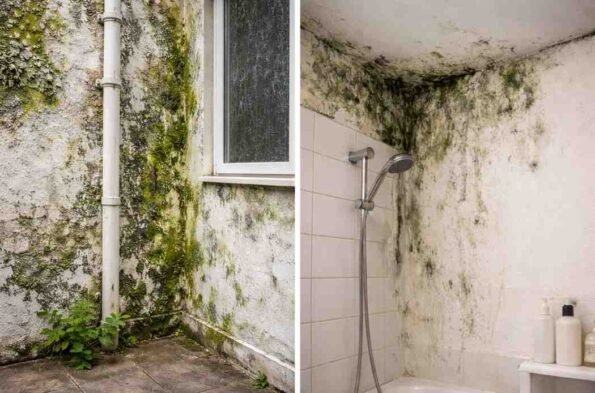
Interior Wall Fungus
Interior fungus is usually caused by poor ventilation and indoor humidity. Bathrooms and kitchens are common problem areas. It spreads faster in closed spaces. Regular cleaning and airflow control help prevent it.
Exterior Wall Fungus
Exterior fungus is mainly due to rainwater exposure and seepage. It appears on shaded or poorly waterproofed walls. Weather-resistant coatings reduce its growth. Exterior protection is essential during monsoons.
9. How Paint Quality Impacts Fungus Growth
Paints act as the first line of defense against moisture. Low-quality paints absorb water easily and encourage fungal growth. Premium paints with strong binders and additives resist dampness. Investing in quality paint reduces maintenance costs.
10. When to Seek Professional Help
If fungus keeps returning despite treatment, professional inspection is recommended. Experts can identify hidden moisture sources and structural issues. Professional waterproofing and repainting offer long-term solutions. This prevents repeated damage and expenses.
Protect Your Walls, Protect Your Home
Wall fungus is a warning sign that should never be ignored. With proper understanding, timely prevention, and correct treatment, you can protect your home effectively. Moisture control, ventilation, waterproofing, and quality paints work together to stop fungal growth. A fungus-free home not only looks better but also ensures a healthier living environment for your family.